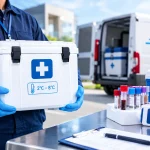
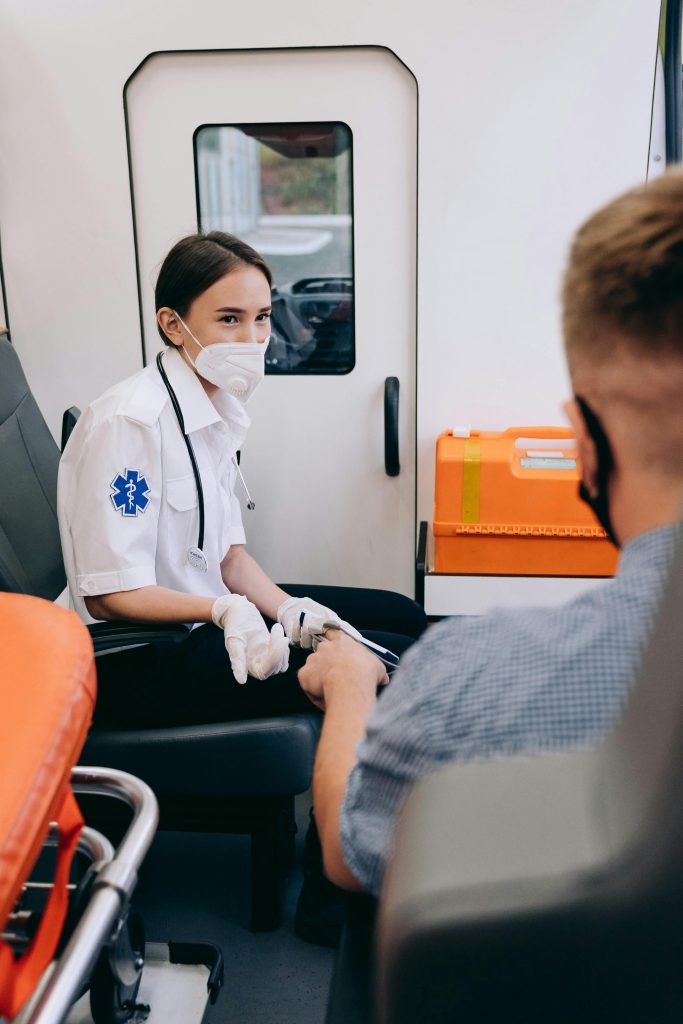
Medical specimen deliveries involve more than transporting samples from one healthcare facility to another. Documents accompanying these shipments may contain sensitive patient information, including names, test details, labels, and medical records. Without proper handling and privacy safeguards, this information could be exposed, potentially putting patient confidentiality and healthcare organizations at risk.
Choosing the right courier is an important part of maintaining secure medical transportation. Labs, clinics, hospitals, and pharmacies should understand what to look for in a HIPAA-compliant medical courier, including privacy practices, secure handling procedures, staff training, and reliable specimen delivery. This guide explains the key requirements and questions to consider before selecting a medical courier partner.
Understanding HIPAA Requirements for Medical Courier Services
HIPAA’s Privacy and Security Rules establish requirements for protecting Protected Health Information (PHI) handled by healthcare providers, laboratories, and their business associates. A medical courier’s legal responsibilities depend on the nature of its services and how it handles patient information. According to HHS guidance, a courier that acts solely as a transportation conduit and does not routinely access PHI may qualify for the conduit exception rather than being considered a business associate.
However, healthcare facilities may establish additional privacy and confidentiality requirements for their delivery partners. Depending on the working relationship, these may include confidentiality agreements, documented security procedures, or a Business Associate Agreement (BAA) when legally required. Medical couriers should take precautions to protect shipment documents, labels, and patient information throughout the delivery process.
It is also important to understand that the U.S. Department of Health and Human Services does not issue an official HIPAA certification for medical courier companies. Instead, healthcare organizations should evaluate a courier’s actual privacy practices, employee training, confidentiality commitments, and documented procedures for protecting sensitive information.
1. Confidentiality Agreements and Documented Security Procedures
Before selecting a medical courier, ask whether all drivers and relevant employees sign written confidentiality agreements to protect sensitive patient information. You should also confirm whether the company is willing to enter into a Business Associate Agreement (BAA) when one is legally required for your working arrangement.
A reliable courier provider should have clearly documented procedures for receiving, handling, storing, transporting, and delivering medical shipments. These written policies help establish accountability, protect patient information, and reduce the risk of unauthorized access or improper package handling.
2. Secure Chain of Custody and Shipment Tracking
A reliable chain-of-custody process creates a clear record of a medical specimen’s journey from collection to final delivery. It helps healthcare facilities identify who handled a shipment and when each transfer took place.
When evaluating a medical courier, look for barcode scanning at pickup and delivery, accurate time-stamped records, and clear documentation of every handoff. GPS tracking can provide additional shipment visibility, allowing laboratories and healthcare providers to monitor a specimen’s location and receive timely delivery updates.
These tracking and documentation practices improve accountability, support specimen traceability, and help healthcare facilities manage time-sensitive medical deliveries.
3. Qualified, Trained, and Screened Medical Courier Drivers
The safety of medical specimens and sensitive healthcare materials depends on the people transporting them. Healthcare facilities should choose a medical courier company that maintains clear driver screening standards and provides ongoing safety training.
When evaluating a courier provider, consider the following qualifications:
Pre-Employment Screening: Background checks and appropriate drug testing before drivers are assigned to delivery duties.
OSHA Safety Training: Training on bloodborne pathogens in accordance with OSHA’s Bloodborne Pathogens Standard (29 CFR 1910.1030), where applicable.
Specimen Handling Skills: Instruction in proper specimen handling, packaging procedures, and spill response protocols.
Professional Identification: Uniformed drivers with visible company identification so healthcare staff can easily recognize authorized delivery personnel.
Ongoing Training: Regular updates on safe transportation practices, confidentiality, and handling procedures.
Qualified and properly trained medical couriers help reduce handling risks, protect specimen integrity, and support dependable healthcare delivery operations.
.
4. Proper Specimen Packaging and Spill Response Preparedness
Medical specimens must be packaged carefully to prevent leakage, contamination, and potential exposure during transportation. Healthcare facilities and medical courier providers should follow applicable packaging and transportation regulations to protect specimens, delivery personnel, and the public.
When a specimen is classified as UN3373 Biological Substance, Category B, it generally requires a triple-packaging system consisting of:
Primary Receptacle: A leak-proof container that securely holds the specimen.
Secondary Packaging: A leak-proof protective container with sufficient absorbent material to contain potential leaks.
Outer Packaging: A strong, rigid package designed to protect the inner containers during transportation.
Medical courier companies should also use appropriate transport bags and packaging that meet applicable U.S. Department of Transportation (DOT) requirements. Vehicles transporting medical specimens should be equipped with suitable biological spill kits, and drivers should know how to respond safely to accidental leaks or spills.
Following proper packaging procedures and maintaining spill-response readiness helps protect specimen integrity, support regulatory compliance, and promote safer medical transportation.
5. Reliable Temperature Control During Medical Specimen Transportation
Maintaining the correct temperature is essential for preserving the quality and stability of medical specimens during delivery. Depending on laboratory requirements, samples may need to remain at ambient, refrigerated, or frozen temperatures throughout transportation.
A professional medical courier should have suitable temperature-control equipment, including insulated coolers, refrigerant packs, and dry ice when required. Different specimen types should be stored separately to prevent unwanted temperature changes and maintain the conditions specified by the receiving laboratory.
Proper temperature management helps protect specimen integrity and supports reliable laboratory testing. For more information, explore our guide to ambient, refrigerated, and frozen specimen transport.
6. Flexible Medical Courier Availability and On-Demand Services
Healthcare facilities often require specimen pickups and deliveries outside regular business hours. STAT requests, urgent laboratory shipments, and unexpected transportation needs make courier availability an important factor when choosing a delivery partner.
Before selecting a medical courier company, confirm whether it provides 24/7 dispatch support, regularly scheduled pickup routes, and on-demand delivery options. It is also helpful to ask whether backup courier coverage is available when your facility’s regular transportation staff are unavailable.
Reliable scheduling and responsive dispatch services can help laboratories, clinics, hospitals, and pharmacies manage urgent deliveries while maintaining smooth daily operations.
7. Essential Questions to Ask When Selecting a Medical Courier
Before partnering with a medical courier company, evaluate its security practices, transportation procedures, and service reliability. Asking the right questions can help your healthcare facility choose a dependable delivery partner.
Consider asking the following:
Confidentiality: Are all drivers and relevant employees required to sign written patient privacy and confidentiality agreements?
Business Associate Agreement: Can your company sign a Business Associate Agreement (BAA) when required by our organization’s HIPAA obligations?
Shipment Tracking: What methods do you use to document specimen transfers, maintain chain-of-custody records, and track deliveries?
Driver Training: What safety, privacy, and specimen-handling training do your couriers receive, and how frequently is it updated?
Packaging Standards: What packaging procedures do you follow when transporting UN3373 Category B biological specimens?
Temperature Management: How do you maintain separate temperature requirements for ambient, refrigerated, and frozen specimens?
Emergency Availability: How quickly can your dispatch team respond to urgent STAT pickup and delivery requests?
Getting clear answers to these questions helps laboratories, clinics, and hospitals assess a courier’s ability to protect sensitive information, maintain specimen integrity, and support reliable medical transportation.
How Elite BioTransport Supports Secure and Compliant Medical Deliveries
Elite BioTransport provides specialized medical courier services throughout Southern California, with a focus on secure specimen handling and dependable transportation. The company maintains driver screening procedures, including background checks and drug testing, while requiring uniformed associates to sign HIPAA confidentiality agreements.
To support safe medical transportation, Elite BioTransport uses transport bags designed to meet applicable OSHA and U.S. DOT requirements, including 49 CFR 173.6 where applicable. Vehicles are equipped with biohazard spill kits to help address potential transportation incidents. Specimen shipments are monitored through barcode scanning and GPS tracking, providing visibility and delivery documentation from pickup through final arrival.
With dispatch support available 24 hours a day, seven days a week, Elite BioTransport helps healthcare facilities coordinate routine pickups and time-sensitive medical deliveries.
Explore our medical specimen transportation services or request a quote to discuss courier solutions for your laboratory, clinic, or healthcare facility.